

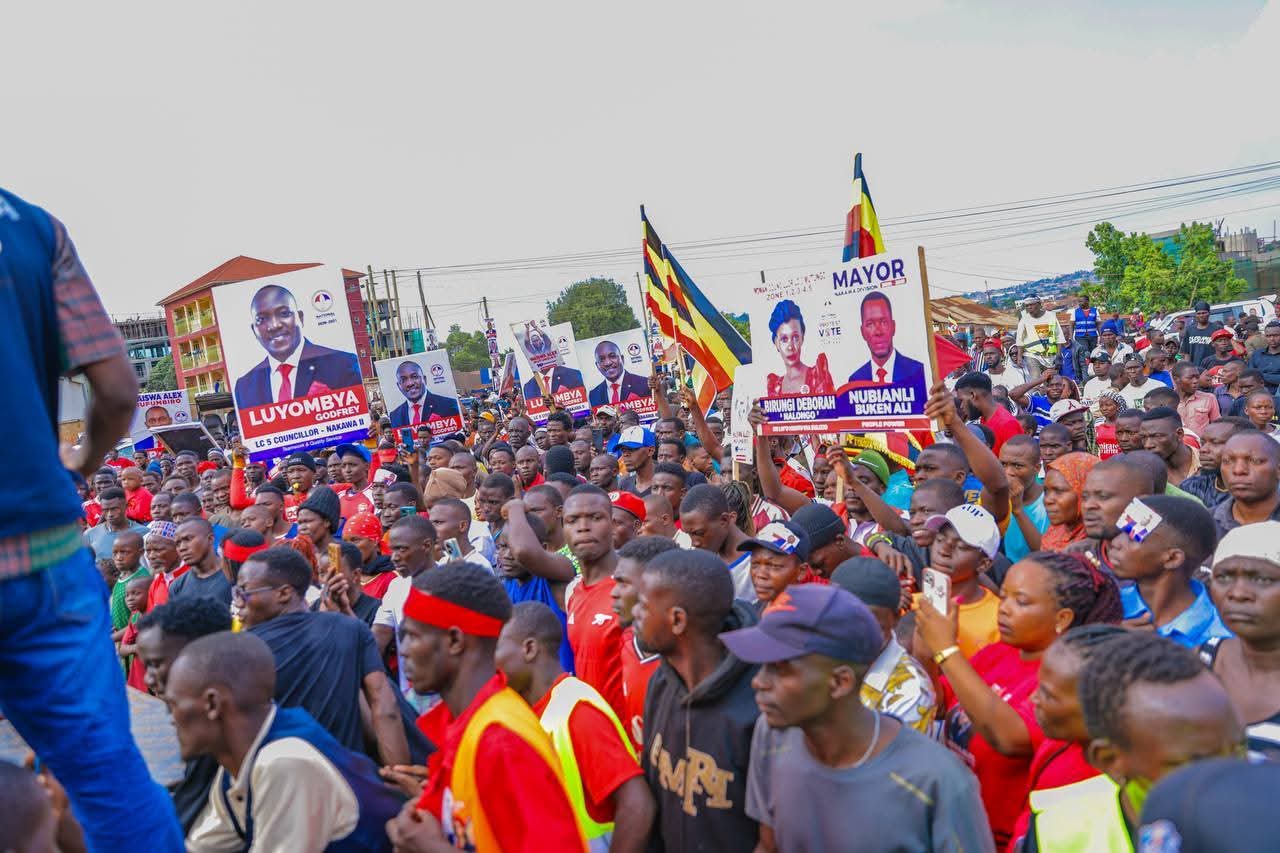
The rising cost of campaigning is placing immense strain on candidates across the political spectrum, particularly those in the opposition and independent aspirants who lack access to state-aligned networks.
As campaigns begin to take shape ahead of the 2026 polls, many contestants say they are struggling to stay afloat in an environment where funding avenues have sharply narrowed.
Observers note that the closure of several international organisations that previously supported political activities has deepened the financing gap.
Opposition actors argue that the shutting down of programmes such as the Democratic Governance Facility (DGF) significantly reduced the funding streams once available for civic engagement, training and electoral preparedness.
Yet analysts also fault political parties for failing to prepare adequately, despite having had five years to organise alternative funding strategies.
The country’s underdeveloped political fundraising culture, they say, has compounded these vulnerabilities.
Bukoto Central MP Richard Ssebamala says many aspirants have entered the campaign season already outmatched by the financial demands of competing effectively.
“As a politician, you can’t avoid facilitating your campaigns — from agents, fuel, posters and other logistics. By the close of the cycle, candidates use a minimum of Shs500 million, with others spending up to Shs1 billion if you seriously need to win a parliamentary seat,” Ssebamala said.
Legal expert George Musisi notes that although Uganda’s electoral cycle offers ample time for preparation, the country lacks a tradition of grassroots political fundraising common in other democracies.
“You realise that Ugandan culture is not well versed with political fundraising, which is contrary to countries like the USA where fundraising comes from the voters themselves. Here, it’s a cultural issue where voters expect politicians to give them some handouts,” Musisi said.
Political analyst Joseph Othieno attributes the current financial strain to patterns entrenched in past elections, where widespread voter bribery became normalised, inflating campaign budgets and distorting expectations.
“Systems have broken down, with most voters seeing themselves in terms of what they can get from politicians. This has been worsened by the collapse of medical services — citizens are now on their own and look to politicians as their saviours,” Othieno said.
Musisi adds that while parties such as the National Unity Platform (NUP) attempted to raise money from supporters this cycle, deliberate government interference has disrupted these initiatives, making it even harder for candidates to access funds.
Independent candidates face similar pressures. Many say they encounter voter expectations for monetary contributions almost everywhere they go, turning even routine campaign engagements into financially draining exercises.
As the 2026 campaigns intensify, analysts warn that the widening financing gap risks skewing competition in favour of those with deep pockets or close ties to state structures.
For many aspirants, the struggle to raise resources is becoming as decisive as the battle for votes.
